Digital Transformation Bangladesh: How Technology Is Changing Businesses
Digital transformation is helping Bangladeshi businesses improve efficiency, reduce manual work, serve customers better, and compete in an increasingly digital market. This guide explains the key digital solutions businesses can adopt, from websites and CRM to ERP, POS, automation, and cloud technology.

Ahom Jawadur Rahman
12 Aug, 2026
Digital Transformation Bangladesh, Business Technology, Digital Solutions
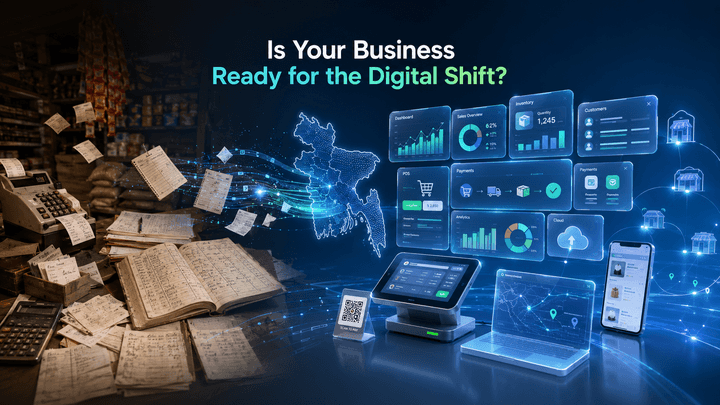
Walk into any market in Dhaka, Chattogram, or Sylhet today, and you'll notice something: even small shop owners are using mobile payment apps, and local manufacturers are tracking inventory on tablets instead of paper ledgers. This shift isn't a coincidence — it's digital transformation in Bangladesh, and it's happening faster than most business owners realize.
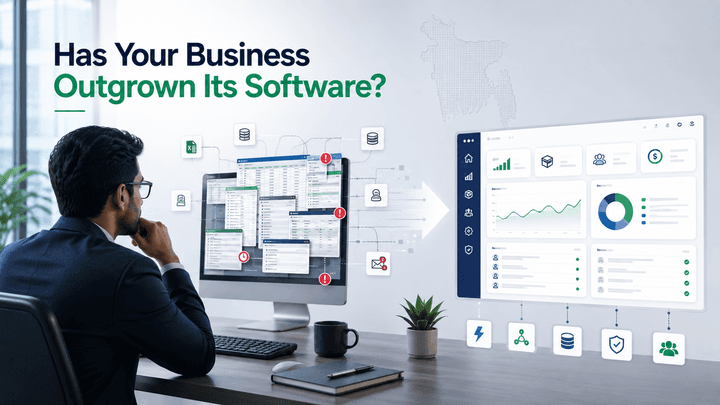
If your business still relies on manual processes, spreadsheets, or outdated systems, you're not just falling behind on convenience — you're losing revenue, customers, and competitive ground every single day.
This guide breaks down what digital transformation really means, why it matters right now for Bangladeshi businesses, and exactly which digital solutions can help you grow.
What is Digital Transformation in Bangladesh?
Digital transformation is the process of integrating digital technology into every part of a business — from how you serve customers, to how you manage operations, to how you make decisions.
It's not just about "going online." True digital transformation means:
- 1. Replacing manual, paper-based processes with software
- 2. Using data to make smarter business decisions
- 3. Automating repetitive tasks to save time and reduce errors
- 4. Creating better, faster experiences for customers
- 5. Building systems that can scale as your business grows
In simple terms: business digital transformation means using technology to work smarter, not just harder.
This applies equally to a small retail shop, a mid-sized manufacturer, a service company, or a growing startup — the scale of transformation differs, but the principle is the same.
Challenges Businesses Face Without Digital Transformation
Businesses that delay technology adoption often face recurring, avoidable problems:
- Inventory mismanagement — stockouts or overstocking due to manual tracking
- Slow decision-making — no real-time data to guide strategy
- Poor customer experience — long wait times, lost orders, miscommunication
- Limited scalability — manual systems break down as order volume grows
- Data loss and errors — paper records or unsecured spreadsheets are easy to lose or corrupt
- Higher operational costs — repetitive manual work costs more in staff time than automated alternatives
- Missed market opportunities — no online presence means missing customers who search for products and services online
These challenges compound over time. A business that could have scaled smoothly with the right systems instead spends years firefighting operational issues.
Essential Digital Solutions Every Modern Business Should Have
Not every business needs every tool immediately — but understanding these core digital business solutions helps you plan a realistic transformation roadmap.
Professional Business Website
A website is often the first impression customers have of your business. A professional, mobile-friendly website builds credibility and allows customers to find you through major search engines.
Best for: Every business type, regardless of size.
Mobile Applications
A dedicated mobile app can improve customer engagement, enable direct ordering, and build brand loyalty — especially useful for retail, food service, and delivery-based businesses.
Best for: Retail, e-commerce, service booking businesses.
ERP Software
Enterprise Resource Planning (ERP) systems unify finance, inventory, HR, and operations into one platform, reducing duplicate work and improving accuracy.
Best for: Manufacturers, mid-to-large businesses with multiple departments.
CRM Systems
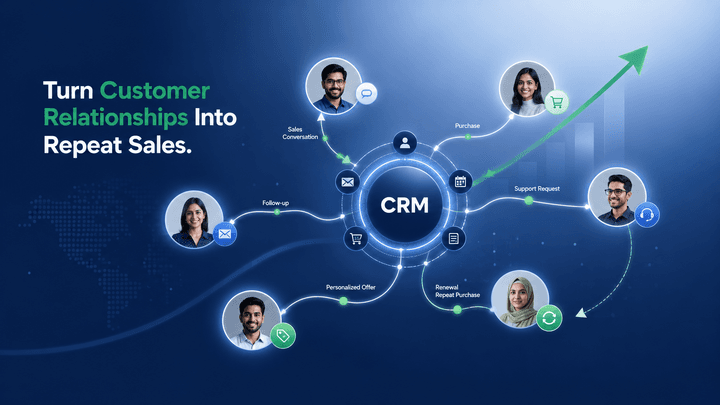
Customer Relationship Management (CRM) software helps track leads, manage customer interactions, and improve sales follow-up — critical for businesses that rely on repeat customers or B2B sales.
Best for: Service-based companies, B2B businesses, sales-driven teams.
POS Systems
A modern Point of Sale (POS) system speeds up checkout, tracks sales data, and integrates directly with inventory — replacing manual cash registers and paper receipts. Popular options like Dokani POS help retail businesses automate billing and inventory management seamlessly.
Best for: Retail shops, restaurants, pharmacies, supermarkets.
How Choosing the Right Technology Partner Makes Implementation Easier
Digital transformation isn't just about buying software — it's about implementing the right systems in the right way for your specific business.
A good technology partner helps you:
- 1. Identify which solutions actually fit your business model
- 2.Avoid overspending on unnecessary tools
- 3.Ensure systems integrate smoothly with existing operations
- 4.Train your team to use new systems effectively
- 5. Provide ongoing support as your business grows and changes
Without the right guidance, businesses often invest in software that's too complex, poorly integrated, or unsupported after launch — leading to wasted budgets and frustrated teams.
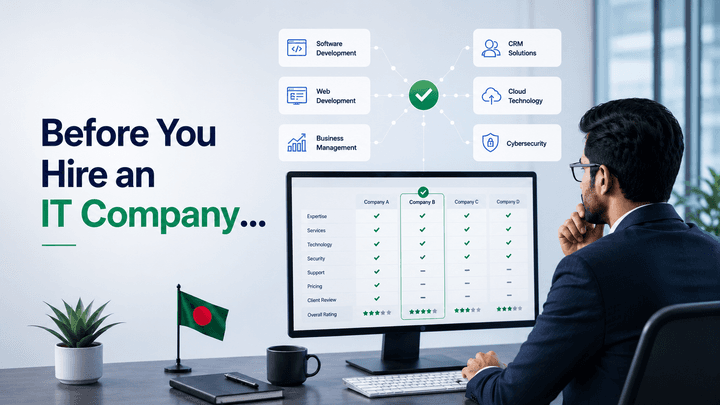
This is where working with an experienced IT solutions Bangladesh provider makes a meaningful difference.
Why Businesses Choose IT Lab Solutions Ltd.
Here's how IT Lab Solutions Ltd. supports businesses through their digital transformation journey:
- Custom Website Development — professional, mobile-responsive websites built around your business goals
- Mobile App Development — Android and iOS apps designed for customer engagement and operational efficiency
- ERP Solutions — tailored ERP systems that unify inventory, finance, and operations
- CRM Solutions — customer management systems built to match your sales process
- POS Systems & Dokani — reliable POS solutions tailored for retail, restaurant, and pharmacy management
- Business Automation — workflow automation that reduces manual workload
- Custom Software Development — custom software solutions for unique business needs
- Ongoing Support — continuous maintenance, updates, and technical assistance after launch
Rather than pushing generic software, IT Lab Solutions Ltd. focuses on understanding each business's actual operations first — then recommending solutions that make sense for that specific business's size, budget, and goals.
If you're exploring technology for businesses in Bangladesh and want practical, honest guidance on where to start, that consultative approach is worth looking for in any partner you choose — including IT Lab Solutions Ltd.
Frequently Asked Questions
Do small businesses really need ERP or CRM systems?
Not immediately. Very small businesses may only need a website and POS system initially. ERP and CRM systems become more valuable as operations, staff, and customer volume grow.
How long does digital transformation take?
It depends on scope. A business website can launch in a few weeks, while a full ERP implementation may take several months, especially if it involves staff training and data migration.
Is cloud technology safe for business data?
Reputable cloud providers use strong security measures, including encryption and regular backups, generally making cloud storage more secure and reliable than local paper or single-device storage.